Discover the
Wonders of Star Clusters
Star clusters are some of the most fascinating structures in the night sky. These beautiful collections of stars are bound together by gravity and formed from the same massive cloud of gas and dust. Because the stars in a cluster are born from the same material at roughly the same time, they share a common origin and evolution. For astronomers and astrophotographers alike, star clusters provide a remarkable opportunity to study how stars form, age, and interact within our galaxy.
Through star cluster astrophotography, these stellar families can be captured in incredible detail. Many clusters appear as small sparkling patches of light when viewed through binoculars or telescopes, but long-exposure imaging reveals the full richness of their structure. With the help of telescopes and specialised astronomy cameras, star cluster astrophotography can capture hundreds or even thousands of individual stars packed together in beautiful patterns across the night sky.
Star clusters are generally divided into two main types: open clusters and globular clusters. Each type tells a different story about the life cycle of stars and the evolution of the Milky Way galaxy.
Open star clusters are relatively young groups of stars that formed together from the same giant molecular cloud. These clusters are often found within the spiral arms of galaxies, including our own Milky Way. Because they are loosely bound by gravity, open clusters tend to slowly drift apart over millions of years as gravitational interactions scatter their stars. Many well-known clusters visible in the night sky belong to this category, including the Pleiades and the Beehive Cluster.
Open clusters are especially beautiful targets for star cluster astrophotography because their bright young stars often shine with blue or white light. In long-exposure images, these stars can appear scattered like diamonds across the darkness of space, creating striking patterns and textures within the frame. Some open clusters also contain faint surrounding nebulae, adding even more depth and colour to astrophotography images.
In contrast, globular clusters represent some of the oldest structures in our galaxy. These clusters are densely packed spheres containing hundreds of thousands, or sometimes millions, of stars. Globular clusters orbit the outer regions of the Milky Way and are believed to have formed early in the history of the universe.
Through star cluster astrophotography, globular clusters appear as dense balls of stars with bright cores and gradually fading outer regions. Their tightly packed stars create a glowing, almost three-dimensional appearance in telescope images. Famous globular clusters such as M13 in Hercules and Omega Centauri are spectacular examples of these ancient stellar systems.
Capturing detailed star cluster astrophotography requires patience, careful tracking, and specialised equipment. Telescopes mounted on precise tracking mounts allow cameras to follow the motion of the night sky, enabling long exposures without star trails. Multiple images are often captured and stacked together during processing to improve clarity and reveal faint stars that might otherwise be hidden in noise.
Unlike nebulae or galaxies, star clusters do not usually require extremely long exposures. However, careful processing is still essential to balance brightness, colour, and contrast so that individual stars can be clearly resolved. When processed correctly, star cluster astrophotography reveals stunning fields of stars that highlight the beauty and structure of these cosmic systems.
Star clusters also play an important role in helping astronomers understand stellar evolution. Because the stars within a cluster formed at roughly the same time, scientists can study how stars of different masses evolve while sharing a common age and composition. By analysing star clusters, astronomers can better understand how stars change over millions or billions of years.
Many clusters are visible even through small telescopes or binoculars, making them popular targets for amateur astronomers. Their brightness and structure allow observers to appreciate the richness of the night sky without needing extremely large telescopes.
Through star cluster astrophotography, these stellar gatherings become even more impressive. Long exposures reveal hundreds of stars that may be invisible during visual observation, transforming what appears to be a small patch of light into a complex and vibrant star field.
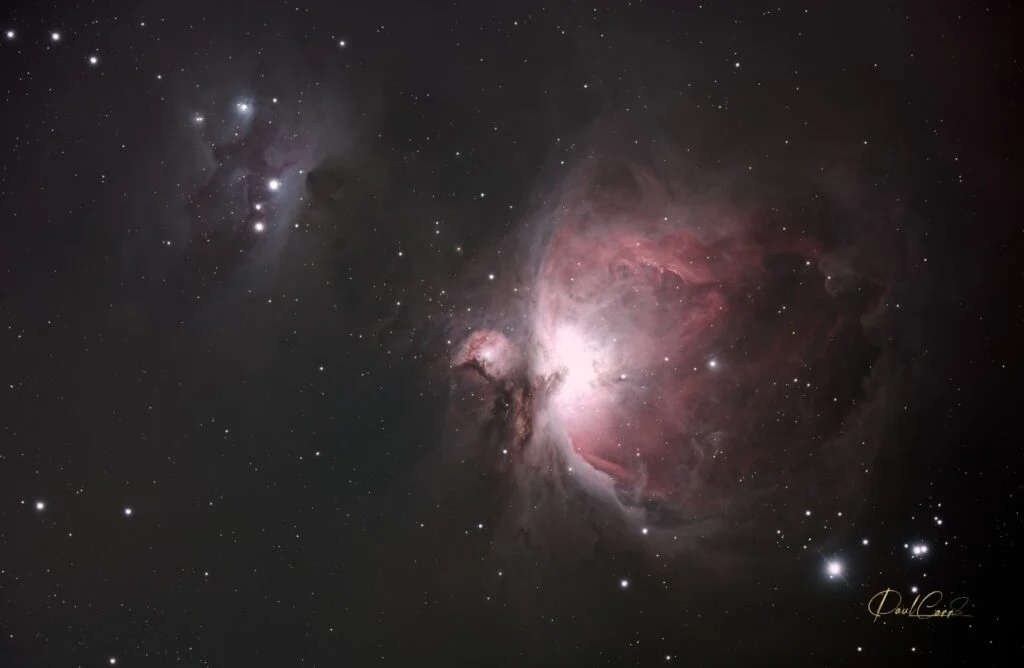
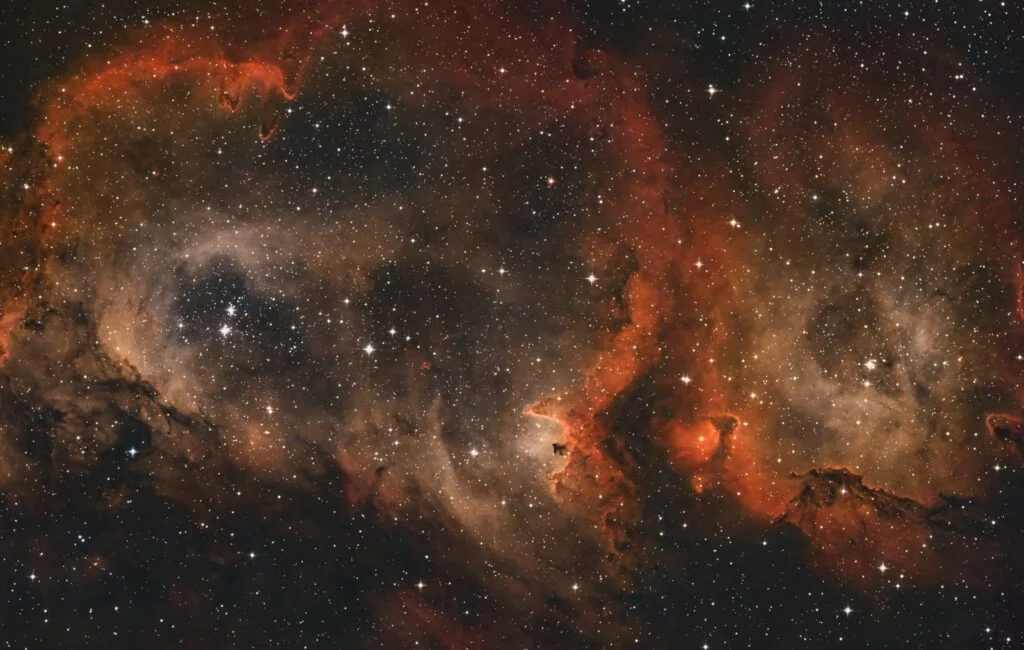
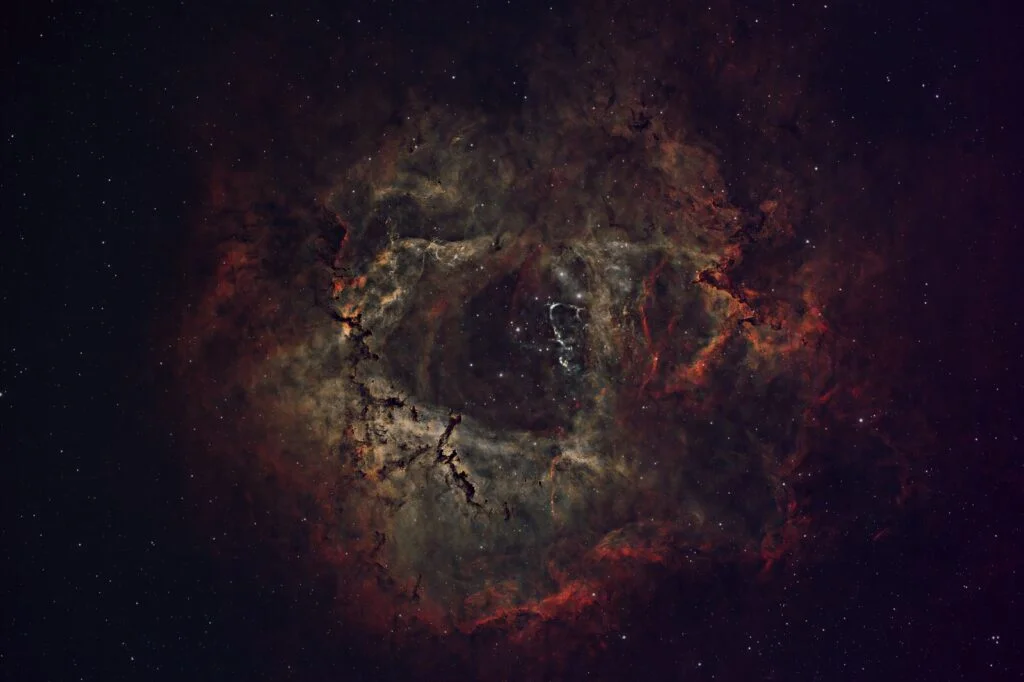
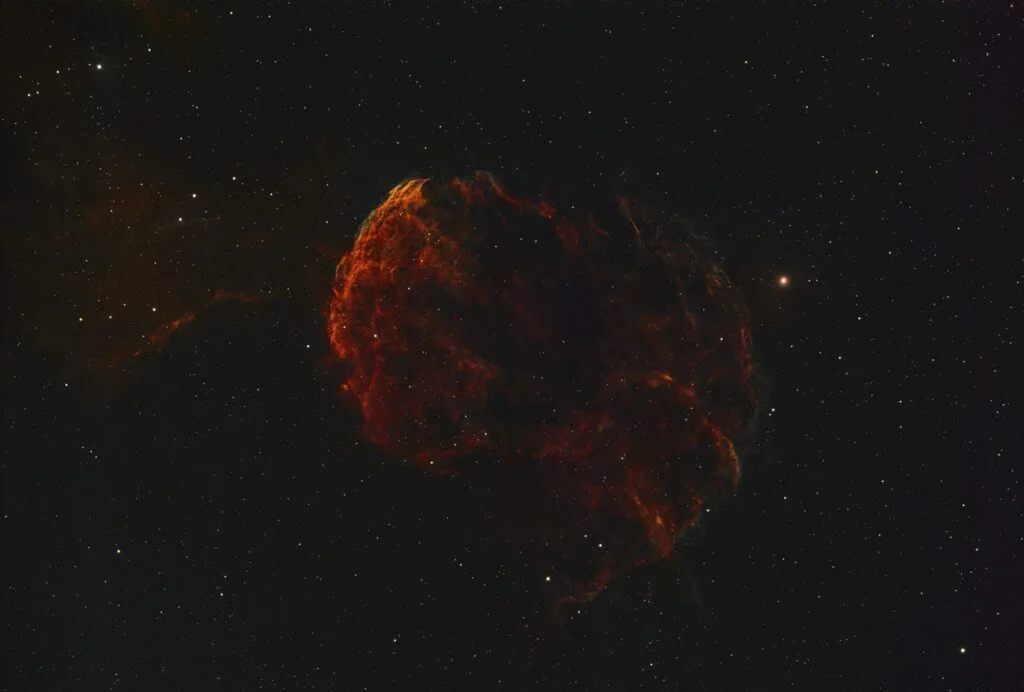
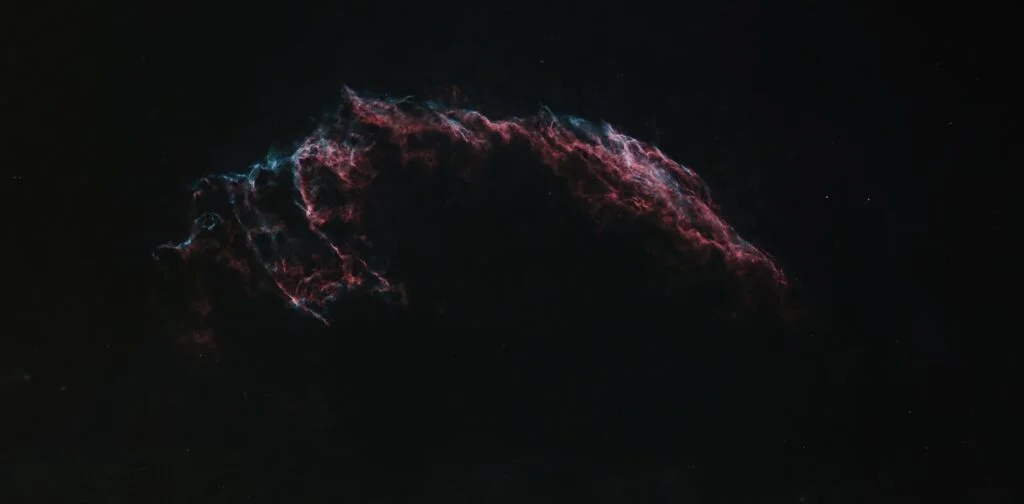
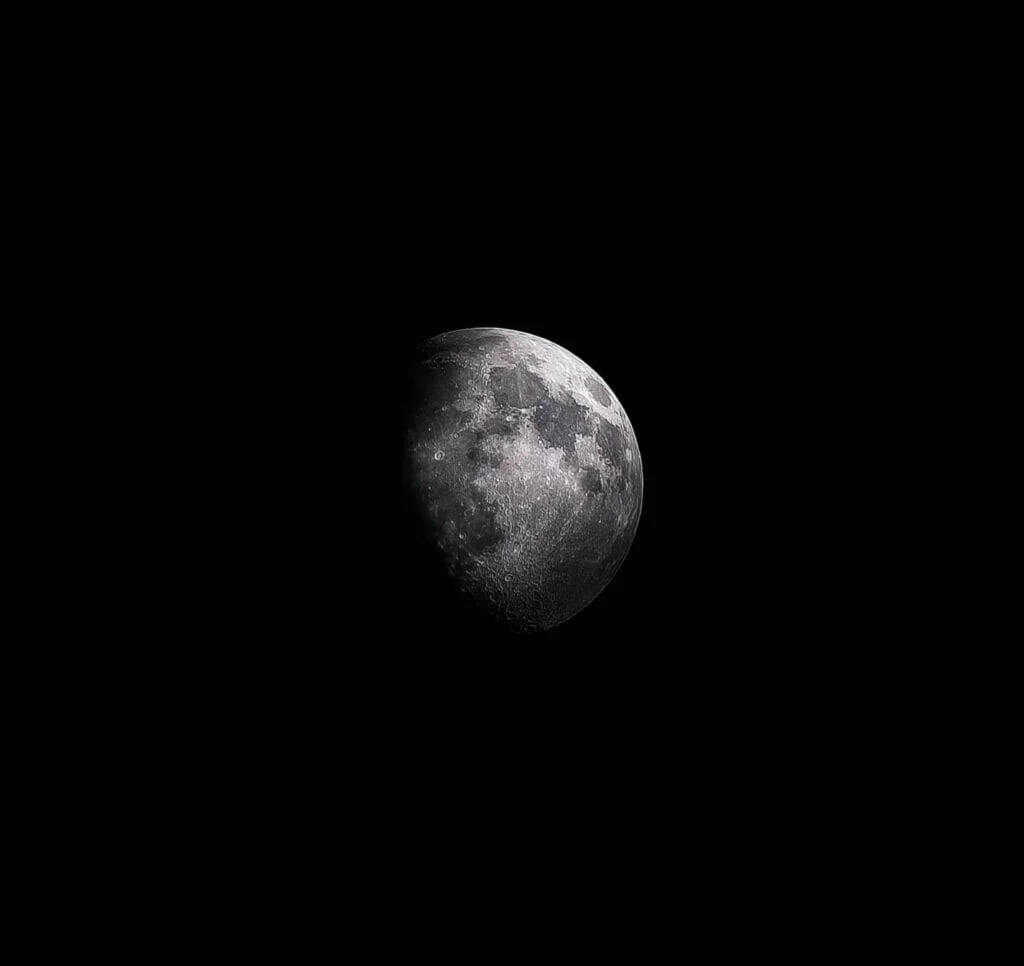
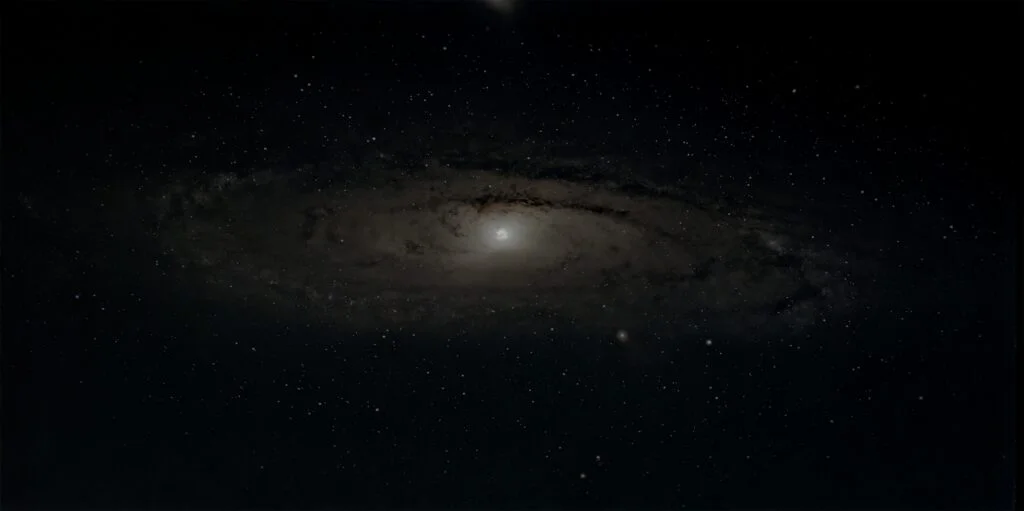
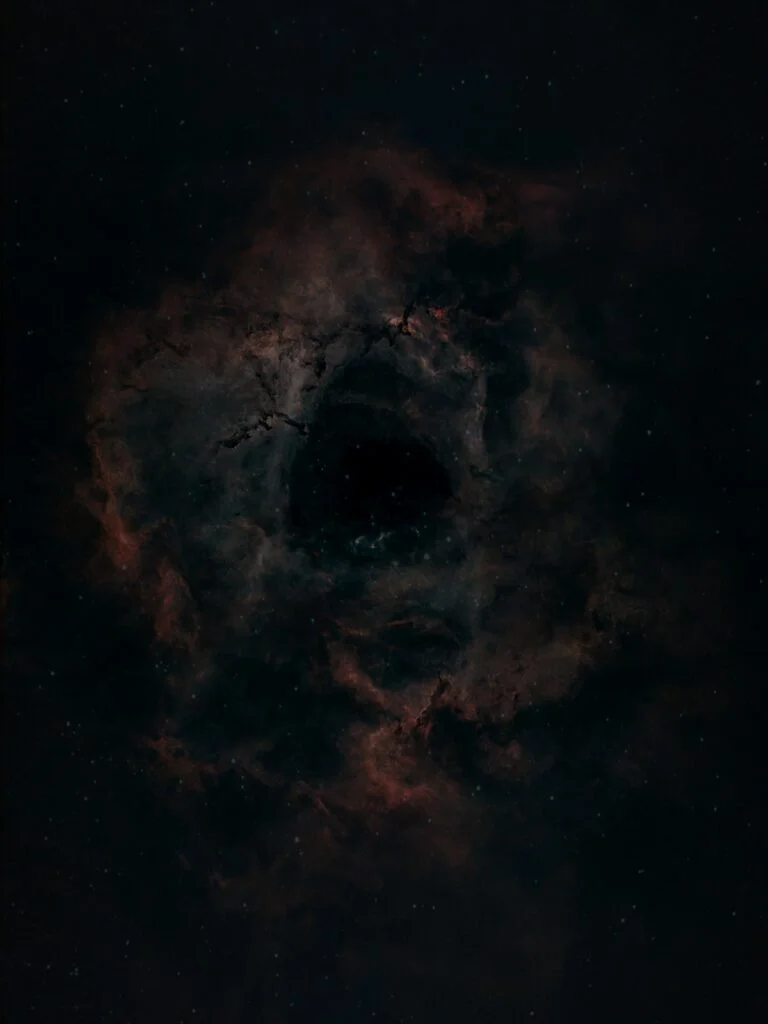
This gallery celebrates the beauty and science of star cluster astrophotography, showcasing both the youthful brilliance of open clusters and the ancient majesty of globular clusters. Each cluster represents a unique chapter in the story of our galaxy, offering a glimpse into the processes that shape stars and stellar systems across cosmic time.
Whether you are an astronomy enthusiast, an astrophotographer, or simply someone who enjoys looking up at the night sky, star clusters provide a powerful reminder of the vast and interconnected universe beyond our world. Through star cluster astrophotography, we can capture and share the remarkable beauty of these stellar families, preserving their light and structure for others to explore and admire.
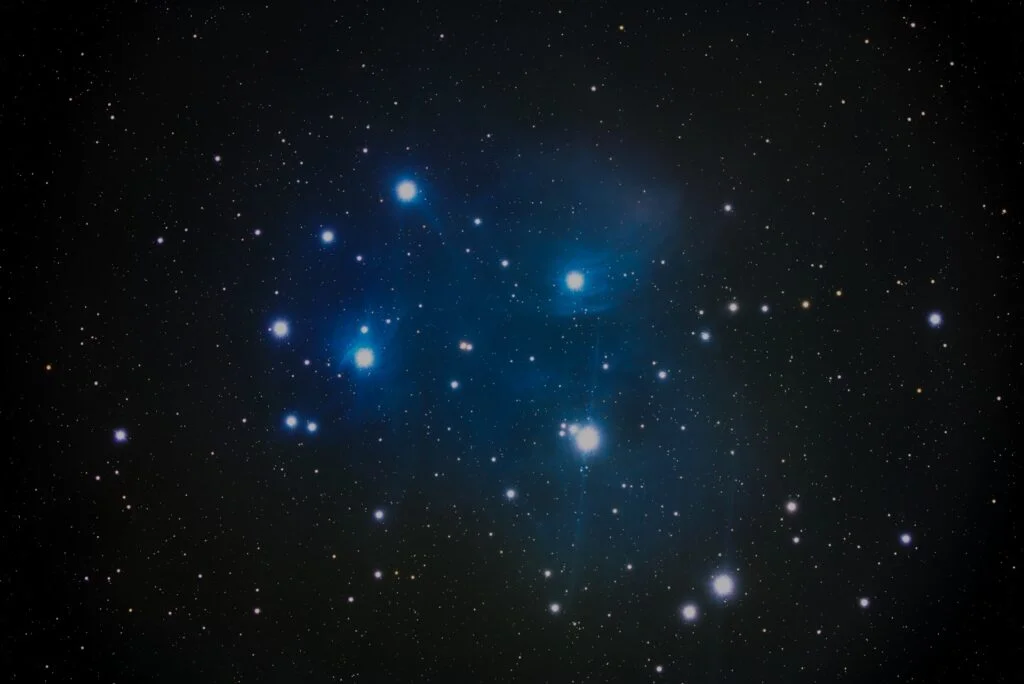
Small selection of work.