Discover the
WONDERS OF NEBULAE
Nebulae are some of the most breathtaking objects in the night sky. These enormous clouds of gas and dust drift through the universe, often stretching across many light-years of space. Far more than beautiful cosmic shapes, nebulae play a crucial role in the life cycle of stars. Within these vast regions, new stars are born from collapsing clouds of gas, while other nebulae mark the final stages of stellar evolution as dying stars release glowing shells of material back into space.
Through nebula astrophotography, these distant cosmic structures can be revealed in remarkable detail. Many nebulae are extremely faint when viewed through a telescope, appearing only as soft patches of light. However, by using long-exposure imaging and specialised astronomy equipment, astrophotographers can capture the delicate colours and structures hidden within these deep-sky objects. What may look like a faint glow through an eyepiece can become a detailed image filled with glowing hydrogen clouds, dark dust lanes, and complex shapes sculpted by gravity and stellar radiation.
There are several major types of nebulae, each with its own appearance and scientific significance. Emission nebulae are among the brightest and most visually striking. These nebulae glow because energetic radiation from nearby young stars excites the surrounding gas, causing it to emit light. Hydrogen gas is particularly common in these regions, which is why emission nebulae often appear red in nebula astrophotography images. Famous examples include the Orion Nebula and the Lagoon Nebula, both of which are active star-forming regions within our galaxy.
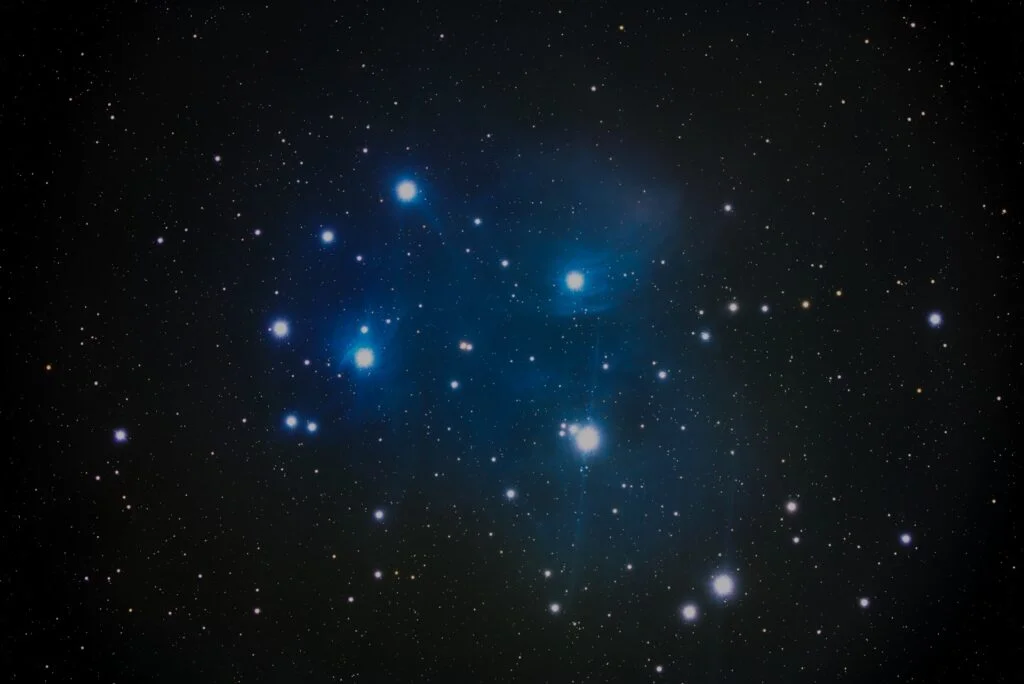
Reflection nebulae behave differently. Instead of producing their own light, they reflect the light of nearby stars. This scattered starlight often gives reflection nebulae a distinctive blue appearance in astrophotography images. Their soft glow and delicate structures make them beautiful yet subtle targets for nebula astrophotography.
Dark nebulae provide an entirely different view of the cosmos. These dense clouds of dust block the light from stars behind them, creating dramatic silhouettes against the bright background of the Milky Way. Dark nebulae often hide regions where stars are forming, making them scientifically important as well as visually striking. One of the most famous examples is the Horsehead Nebula, which appears as a dark shape against a glowing hydrogen cloud.
Another fascinating category is the planetary nebula. Despite the name, planetary nebulae have nothing to do with planets. They form when a star similar in size to our Sun reaches the end of its life and sheds its outer layers into space. The remaining stellar core illuminates the expanding shell of gas, creating intricate rings and symmetrical patterns that glow brightly in telescope images. These objects are particularly rewarding subjects for nebula astrophotography because of their detailed and often colourful structures.
Capturing high-quality nebula astrophotography requires patience, planning, and specialised equipment. Telescopes mounted on precise tracking systems allow cameras to collect light from distant objects over long exposures. Many astrophotographers capture dozens or even hundreds of individual frames, which are then stacked together during image processing. This technique enhances faint details while reducing noise, revealing structures that would otherwise remain invisible.
Specialised filters are also commonly used in nebula astrophotography. These filters isolate specific wavelengths of light, such as hydrogen-alpha or oxygen-III, allowing the glowing gases within nebulae to stand out more clearly. The result is a detailed and vibrant image that highlights the structure and composition of these remarkable cosmic clouds.
Every nebula image represents hours of imaging and careful processing. Astrophotographers often spend entire nights capturing light from a single object, followed by additional time processing the data to reveal faint structures hidden within the raw images. This combination of science, technology, and artistic vision is what makes nebula astrophotography so rewarding.
Nebulae also help us understand the life cycle of stars. Some nebulae are stellar nurseries where gravity slowly gathers gas and dust together to form new stars. Others are the remains of stars that have reached the end of their lives, returning material back into space to become part of future generations of stars and planetary systems. In this way, nebulae represent both the beginning and the end of stellar evolution.
This gallery celebrates the beauty and science behind nebula astrophotography. From glowing emission regions to mysterious dark nebulae and intricate planetary nebulae, each object reveals another piece of the story of our universe. These cosmic clouds remind us that space is not empty, but filled with vast structures where stars are born, evolve, and eventually return their material to the cosmos.
Through nebula astrophotography, we are able to capture and share these incredible structures, revealing the hidden beauty of the universe and offering a glimpse into the processes that shape galaxies across the cosmos.
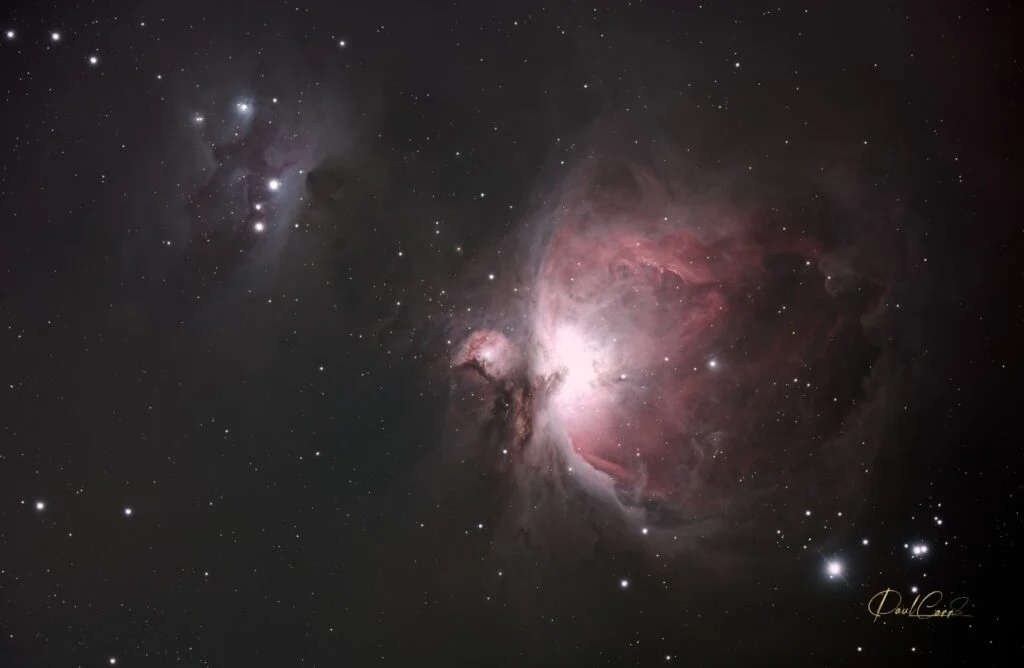
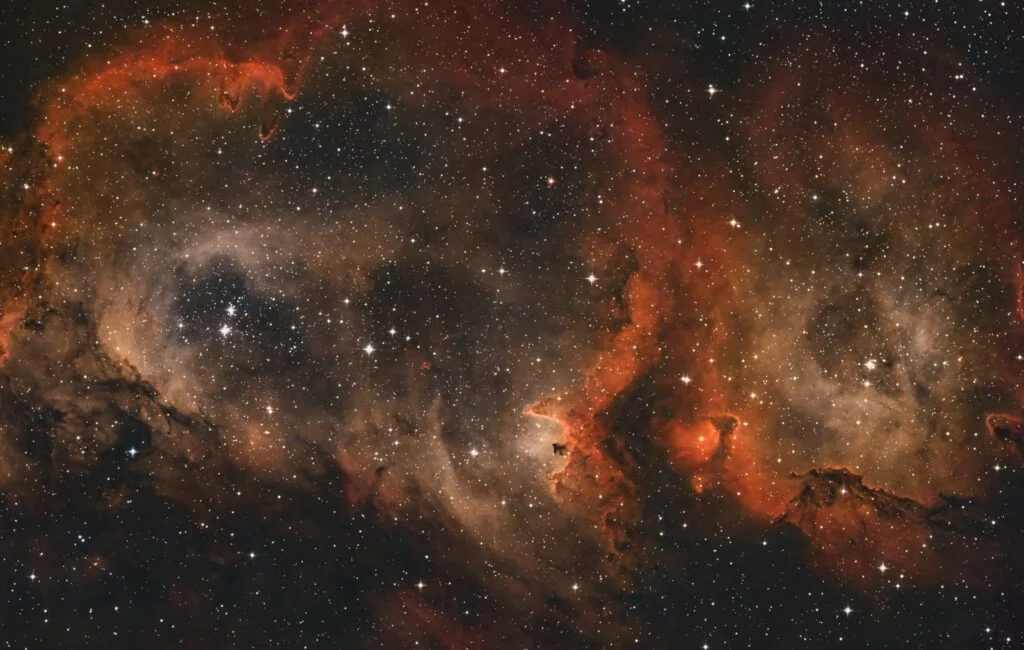
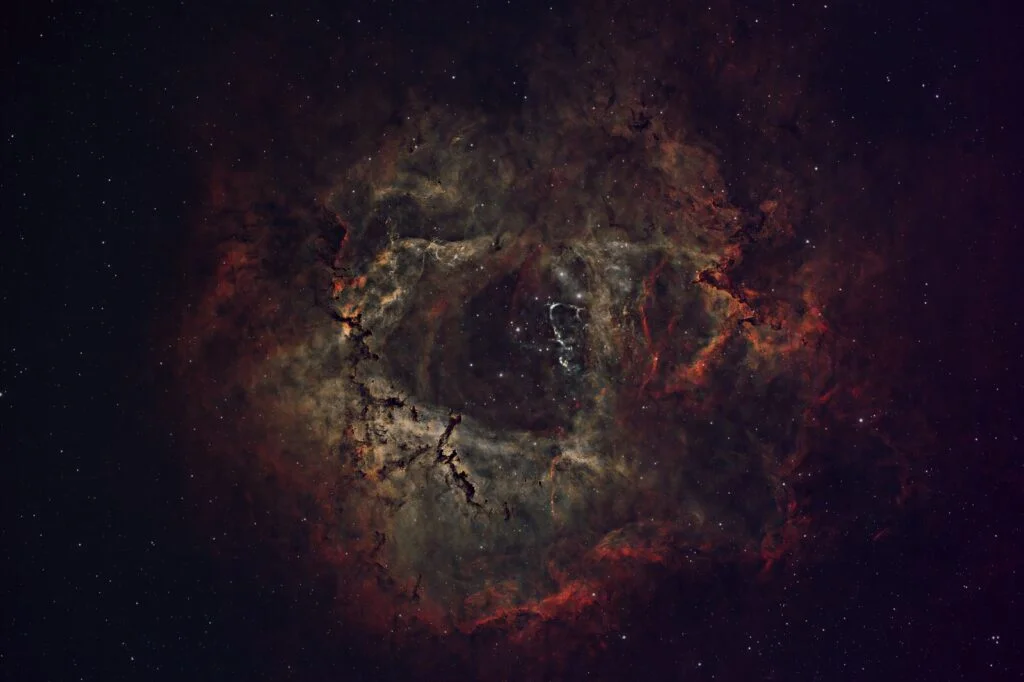
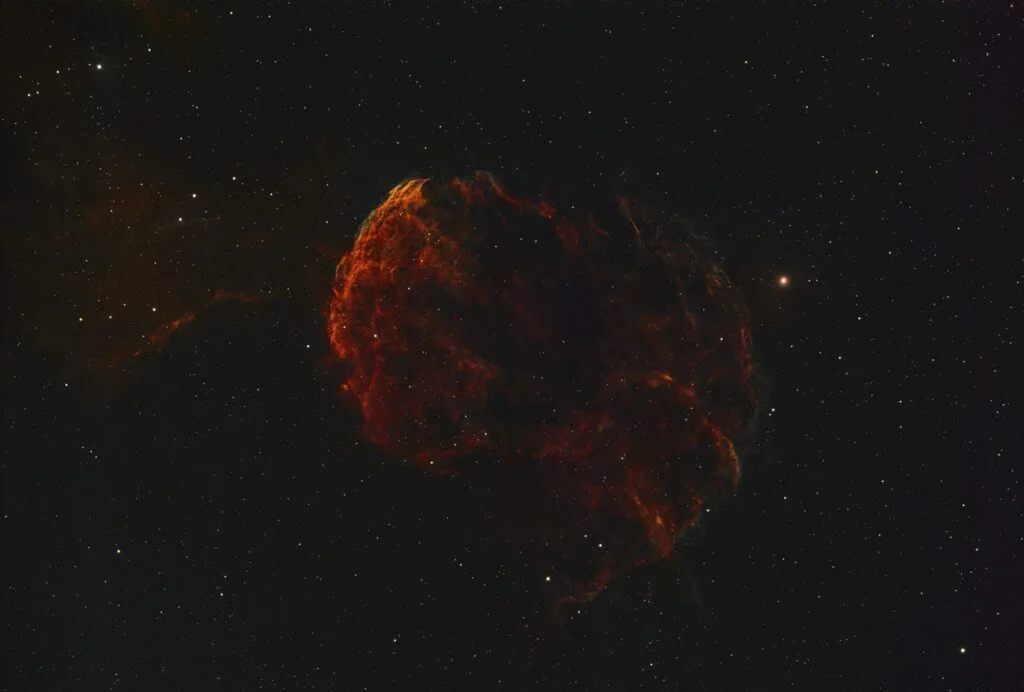
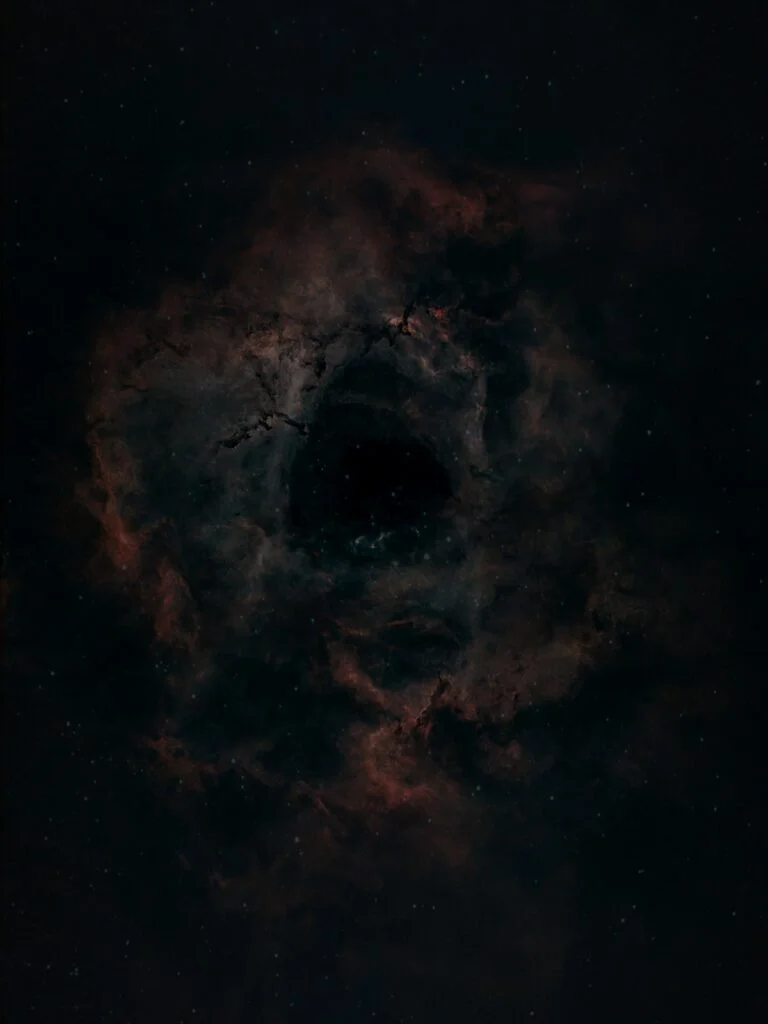
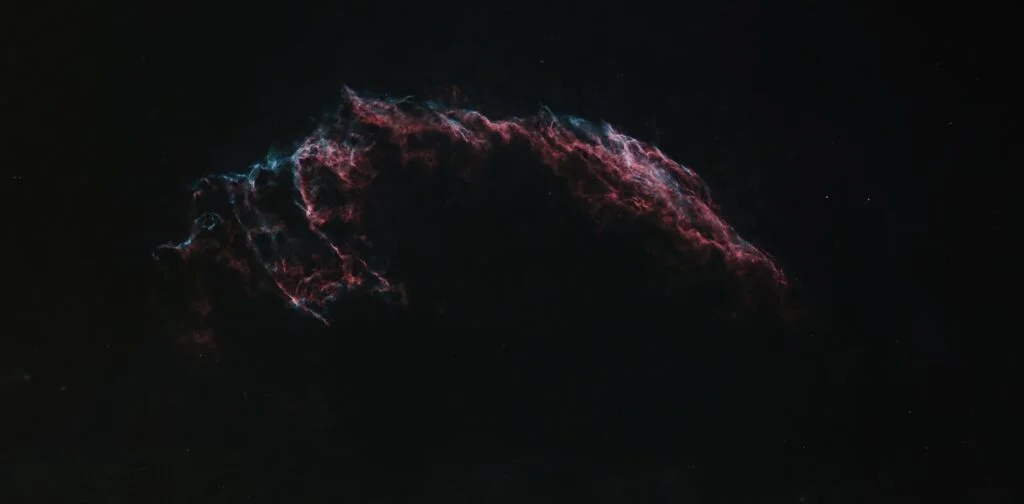
Small selection of work.