Moon:
Guiding the Night, Inspiring Dreams.
The Moon has fascinated humanity for thousands of years. As Earth’s closest celestial neighbour, it has inspired myths, scientific discoveries, and exploration throughout history. Orbiting our planet at an average distance of about 384,400 kilometres (238,855 miles), the Moon influences our tides, illuminates the night sky, and remains one of the most accessible and rewarding objects to observe through a telescope.
Through lunar astrophotography, the Moon’s surface can be explored in extraordinary detail. Even modest telescopes reveal a rugged landscape of craters, mountains, valleys, and vast plains that have formed over billions of years. With modern imaging techniques and specialised equipment, lunar astrophotography allows astronomers and photographers to capture features that cannot be seen with the naked eye, revealing the complex geology of our nearest neighbour in space.
The surface of the Moon is shaped largely by impacts from asteroids and meteoroids. Because the Moon has no atmosphere, incoming objects strike its surface without burning up, leaving behind thousands of craters. These impact features range from tiny pits to enormous basins hundreds of kilometres across. Some of the most famous lunar craters include Tycho, Copernicus, and Plato, each with distinctive shapes, central peaks, and bright ray systems that can be clearly captured through lunar astrophotography.
Another defining feature of the Moon is its maria, large dark plains that are visible across the lunar surface. Early astronomers believed these areas were seas, which is why they were given the Latin name mare, meaning sea. In reality, these regions are ancient lava plains that formed billions of years ago when molten rock flooded large impact basins. The contrast between the darker maria and the brighter highlands gives the Moon its familiar appearance when viewed from Earth.
One of the most interesting aspects of observing the Moon is the way its appearance changes throughout the month. As the Moon orbits Earth, sunlight illuminates different parts of its surface, creating the lunar phases. These phases range from new moon to full moon, with waxing and waning stages between them. Each phase provides different viewing conditions that highlight various features across the lunar landscape.
For observers and photographers, the most dramatic views often occur during the first and last quarter phases. At these times, sunlight strikes the surface at a shallow angle, casting long shadows across mountains and crater walls. These shadows reveal texture and depth across the landscape, making them ideal conditions for capturing detailed lunar astrophotography.
Capturing high-resolution lunar astrophotography requires specialised equipment and careful technique. Telescopes with long focal lengths allow photographers to magnify small regions of the lunar surface, revealing intricate geological structures. Stable tracking mounts help keep the Moon centred while imaging, ensuring sharp results during longer imaging sessions.
Many astrophotographers use a technique known as lucky imaging to produce highly detailed lunar photographs. Instead of capturing a single image, a high-speed camera records thousands of frames in a short video sequence. Atmospheric turbulence can blur individual frames, but specialised software can select the sharpest images and combine them together. The stacked result produces a final image with remarkable clarity and fine surface detail.
Although the Moon is extremely bright compared with deep-sky objects, capturing detailed images still requires careful control of exposure and focus. Proper imaging techniques allow astrophotographers to reveal subtle structures across the lunar surface, including small crater chains, mountain ridges, and delicate shadow patterns.
Beyond its beauty, the Moon also plays an important role in Earth’s natural systems. Its gravitational pull drives the ocean tides that influence coastal environments and marine ecosystems. The Moon also helps stabilise Earth’s axial tilt, which contributes to the relatively stable climate conditions that have allowed life to develop on our planet.
The Moon has also been central to human exploration. In 1969, NASA’s Apollo 11 mission successfully landed the first humans on the lunar surface, marking a historic moment in space exploration. Several missions followed, allowing astronauts to study the Moon directly and return lunar samples to Earth. Today, space agencies are once again planning missions that aim to return humans to the Moon and establish a long-term presence there.
For astronomers and astrophotographers, the Moon remains one of the most rewarding objects to observe. Its constantly changing appearance ensures that no two nights of observation are exactly the same. From the bright rays of impact craters to the dramatic shadows along the terminator line, the Moon offers endless detail for exploration.
Through lunar astrophotography, we are able to capture and share the beauty of this nearby world. Each image reveals a rugged and fascinating landscape that reminds us how extraordinary our closest celestial neighbour truly is.
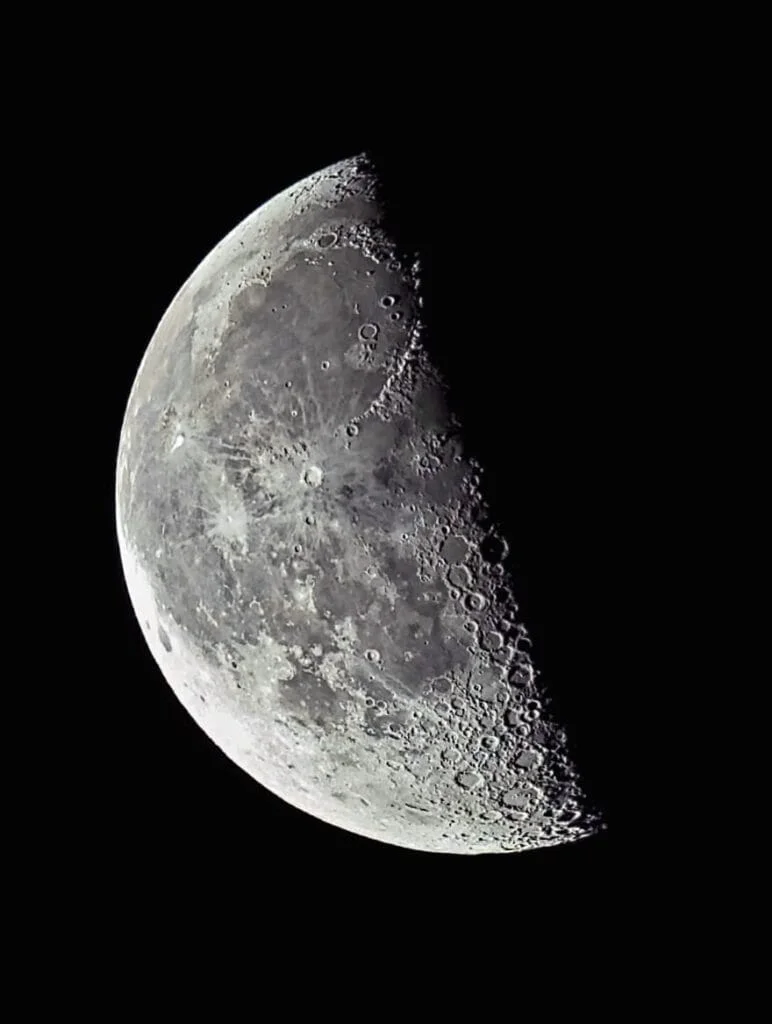
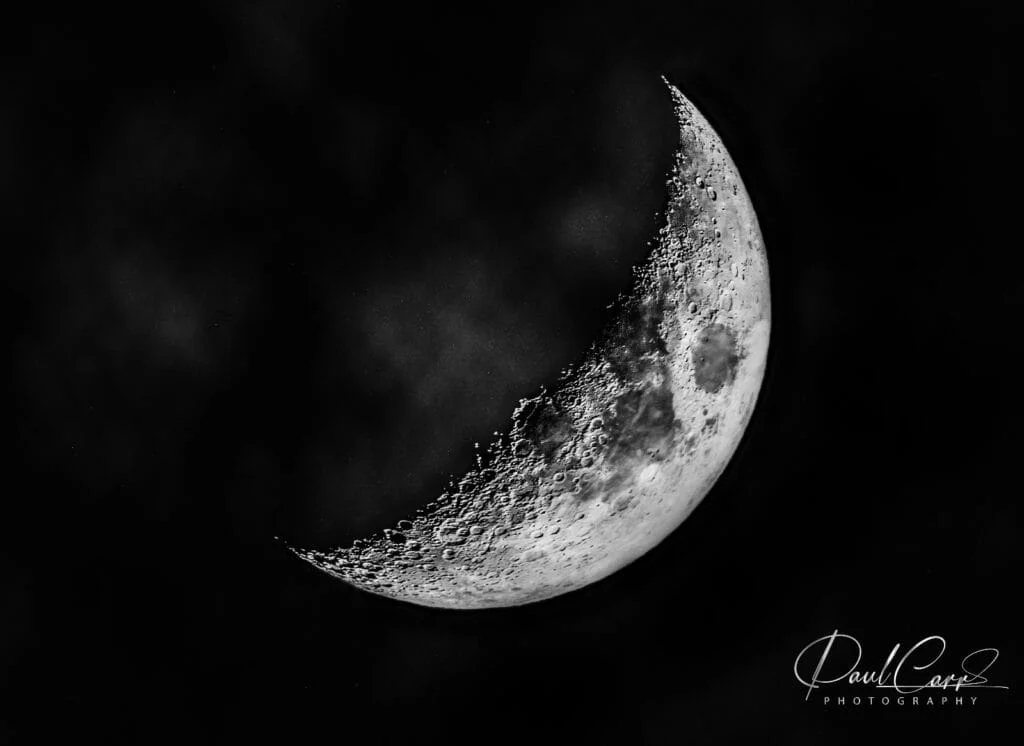
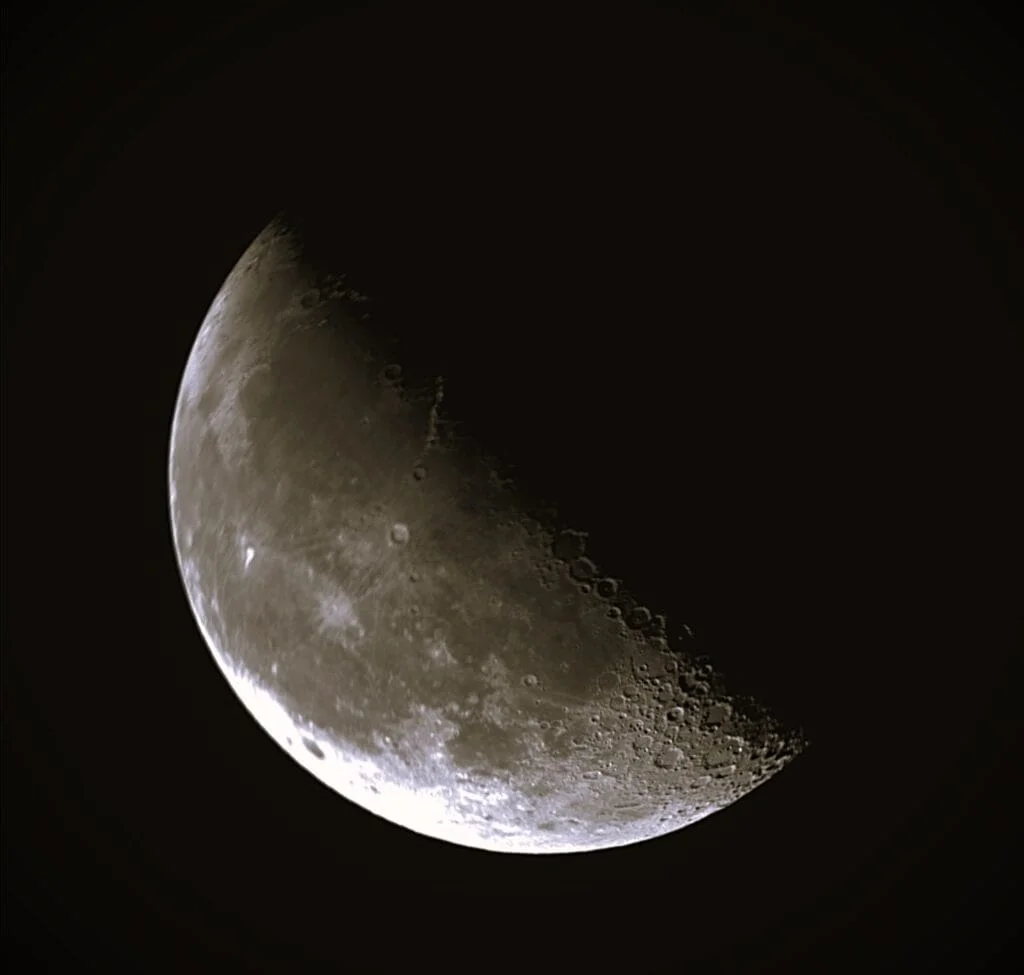
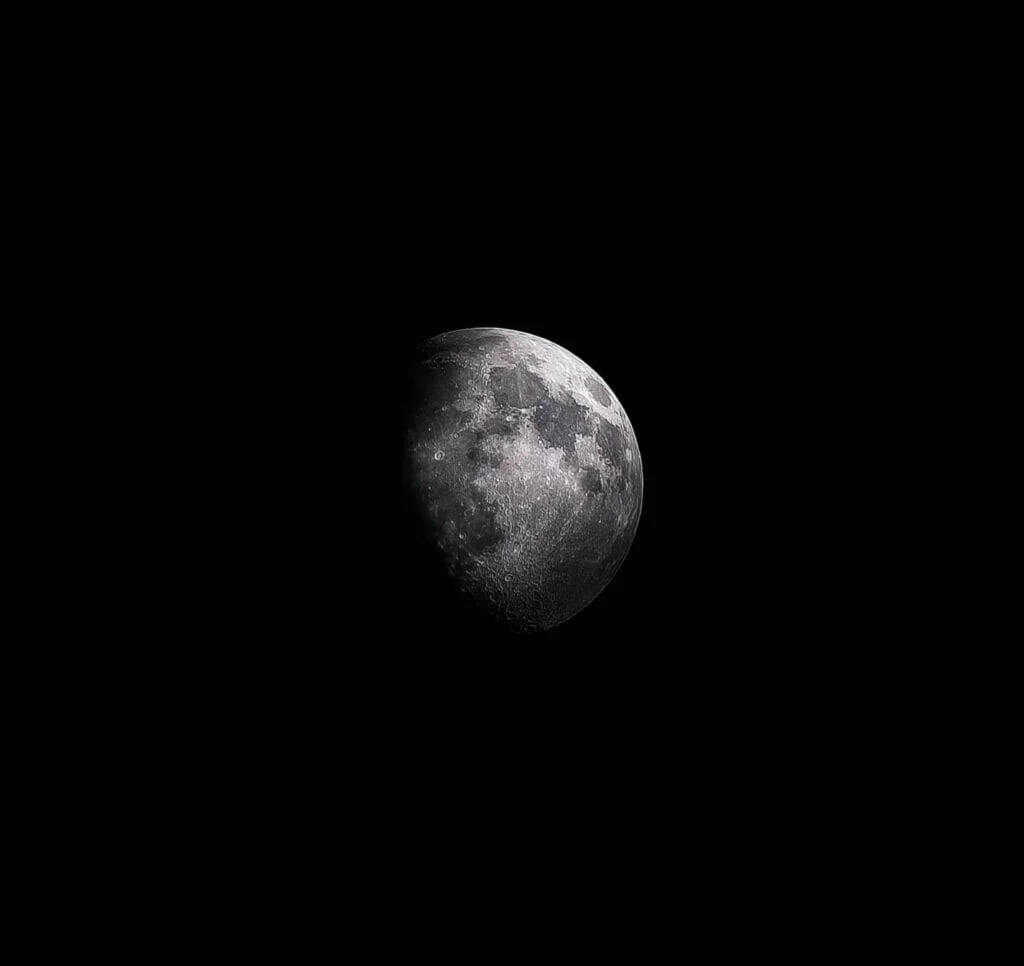
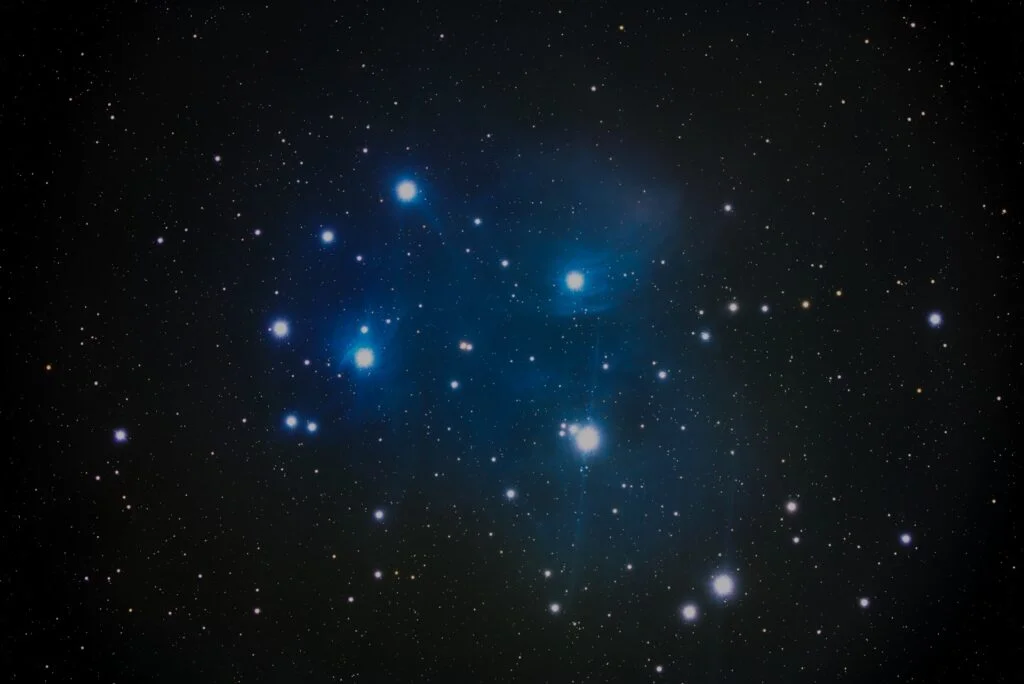
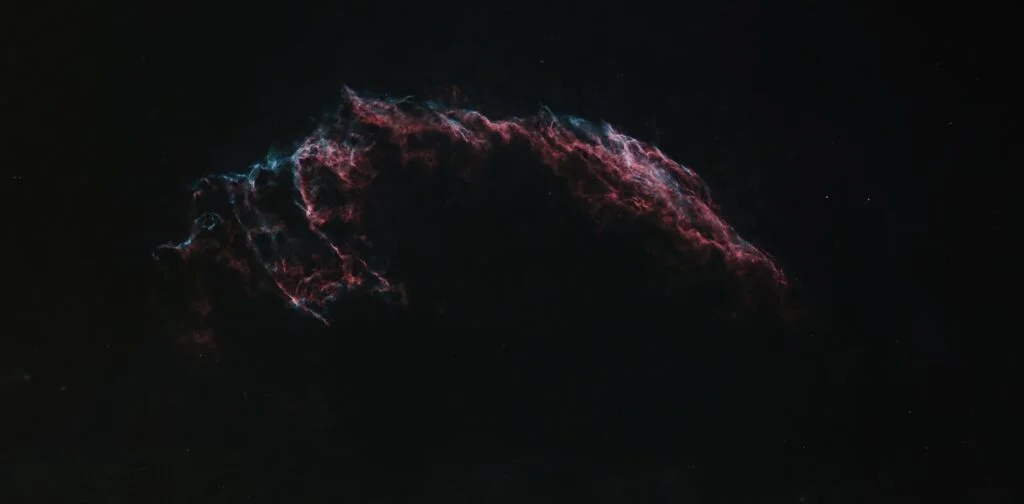
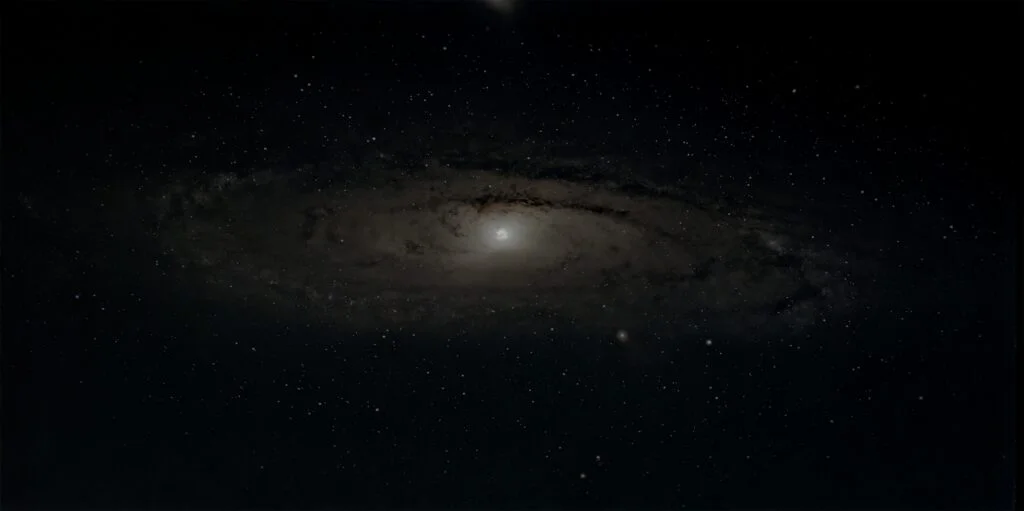
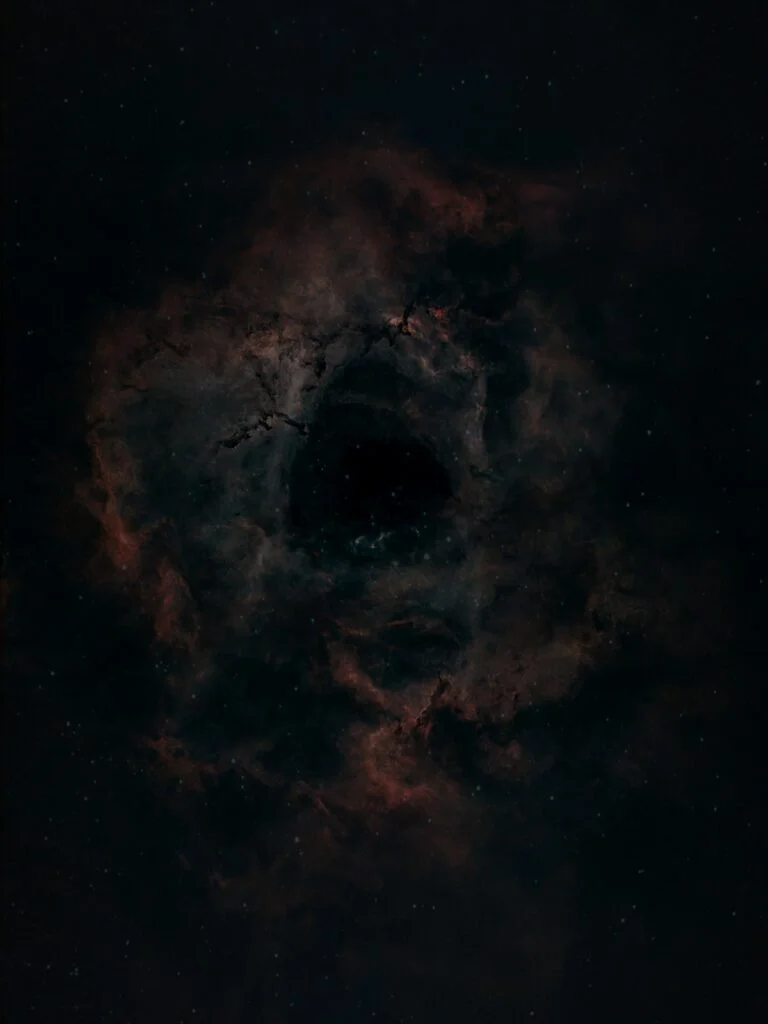
Small selection of work.