Exploring the Mysteries of Galaxies:
A Journey Through Space
Galaxies are among the most extraordinary structures in the universe. These vast cosmic systems contain billions, or even trillions, of stars along with gas, dust, and dark matter, all bound together by gravity. Galaxies are the fundamental building blocks of the universe, forming enormous collections of stars that stretch across unimaginable distances. Observing and capturing them through galaxy astrophotography allows us to explore some of the most distant and fascinating objects visible in the night sky.
Our own home galaxy, the Milky Way, is just one of countless galaxies scattered across the cosmos. Astronomers estimate that the observable universe contains hundreds of billions of galaxies, each with its own structure and history. Many of the galaxies photographed through telescopes today are millions of light-years away, meaning the light we capture left those galaxies long before humans even existed.
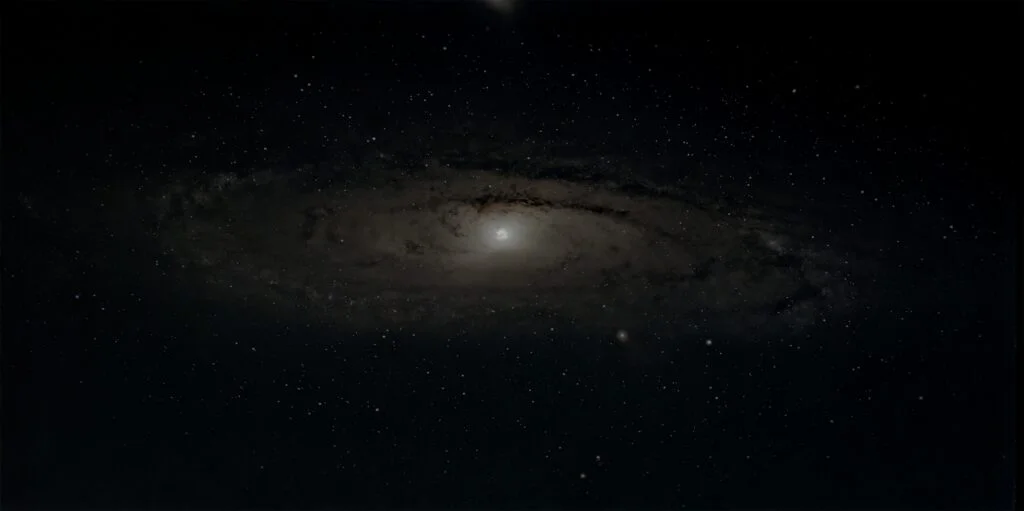
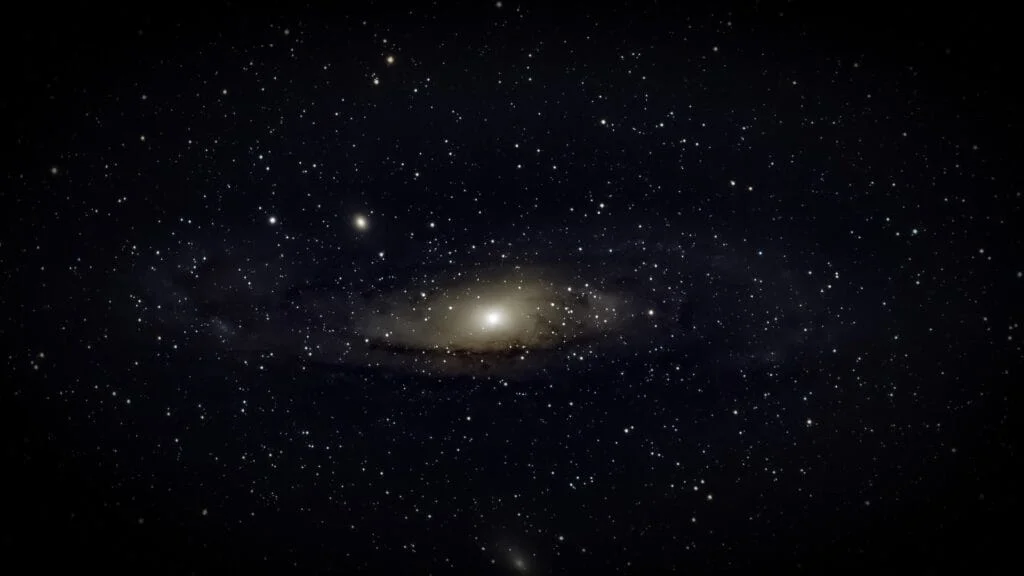
Galaxies appear in several different forms. One of the most recognisable is the spiral galaxy, which features sweeping arms that curve outward from a bright central core. These spiral arms contain large amounts of gas and dust, making them active regions where new stars are constantly forming. One of the best known examples is the Andromeda Galaxy, the nearest large galaxy to the Milky Way and a favourite target for galaxy astrophotography.
Another major category is the elliptical galaxy. These galaxies appear more rounded or oval in shape and usually contain older stars with very little gas or dust remaining. Because of this, star formation in elliptical galaxies tends to be much lower than in spiral galaxies. They often form through the gradual merging of smaller galaxies over enormous periods of time.
There are also irregular galaxies, which do not follow any clear structure or shape. These galaxies are often the result of gravitational interactions or collisions between neighbouring galaxies. Such interactions can dramatically distort a galaxy’s appearance and trigger bursts of star formation as gas clouds collide and collapse.
Capturing galaxies through galaxy astrophotography requires specialised equipment and patience. Many galaxies are extremely faint when viewed from Earth, so long exposures are needed to collect enough light to reveal their structure. Telescopes equipped with tracking mounts follow the movement of the night sky, allowing cameras to capture multiple exposures without star trails.
Astrophotographers typically take many individual images and combine them using a process called stacking. This technique reduces noise and enhances faint detail, revealing spiral arms, dust lanes, and glowing star-forming regions that would otherwise remain hidden. Through galaxy astrophotography, objects that appear as faint smudges in a telescope can be transformed into detailed cosmic landscapes.
Some galaxies are particularly popular among astrophotographers due to their brightness and structure. The Andromeda Galaxy is one of the largest and easiest galaxies to photograph, spanning a significant portion of the night sky. Other well-known targets include the Whirlpool Galaxy, famous for its striking spiral arms, and the Pinwheel Galaxy, which displays delicate structures filled with regions of star formation.
Studying galaxies also helps astronomers understand the evolution of the universe. Observations of galaxies have revealed the presence of dark matter, an invisible substance that makes up a large portion of the universe’s mass. Although it cannot be seen directly, dark matter influences how galaxies rotate and interact through gravity.
Galaxies are not static objects. Over billions of years they interact, collide, and merge with one another, reshaping their structures in dramatic ways. Our own Milky Way galaxy is expected to collide with the Andromeda Galaxy in several billion years, eventually forming a new and larger galaxy.
Through galaxy astrophotography, we are able to capture and study these distant cosmic systems while also appreciating their beauty. Each image represents light that has travelled across space for millions of years before reaching Earth. When we photograph galaxies, we are not only capturing their appearance but also observing a moment from the distant past.
Exploring galaxies through astrophotography reveals the immense scale and complexity of the universe. These distant islands of stars remind us that beyond our own galaxy lies a vast cosmic landscape filled with countless worlds waiting to be discovered.
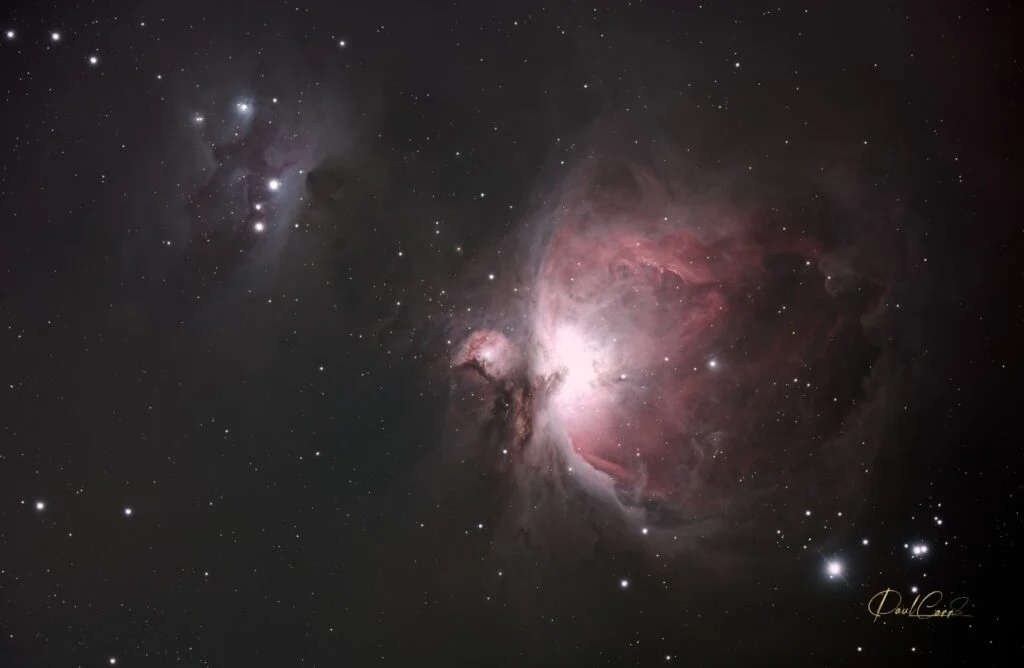
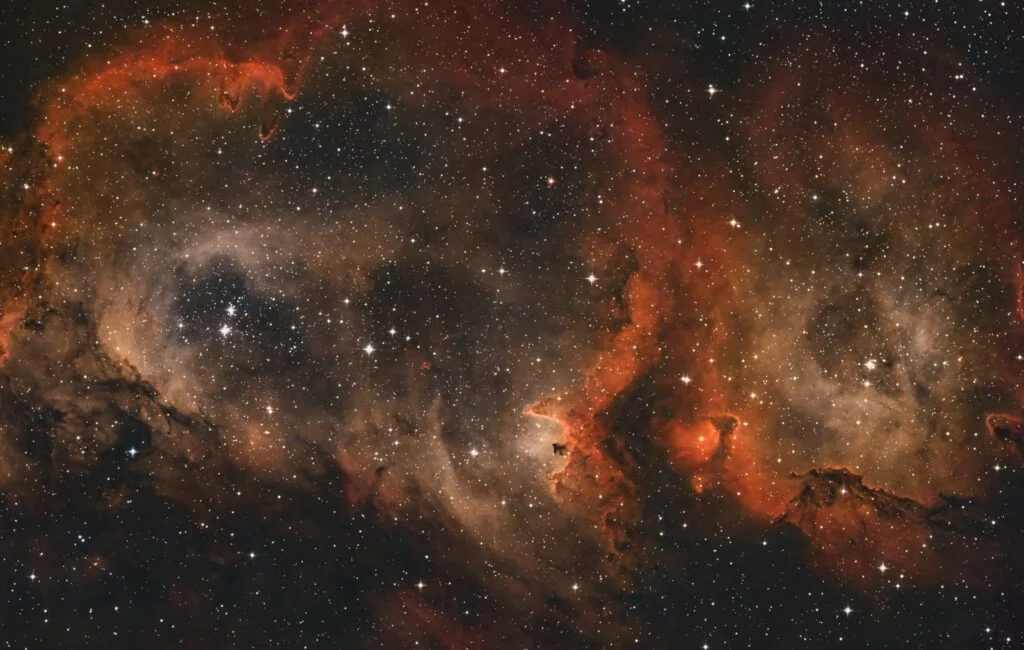
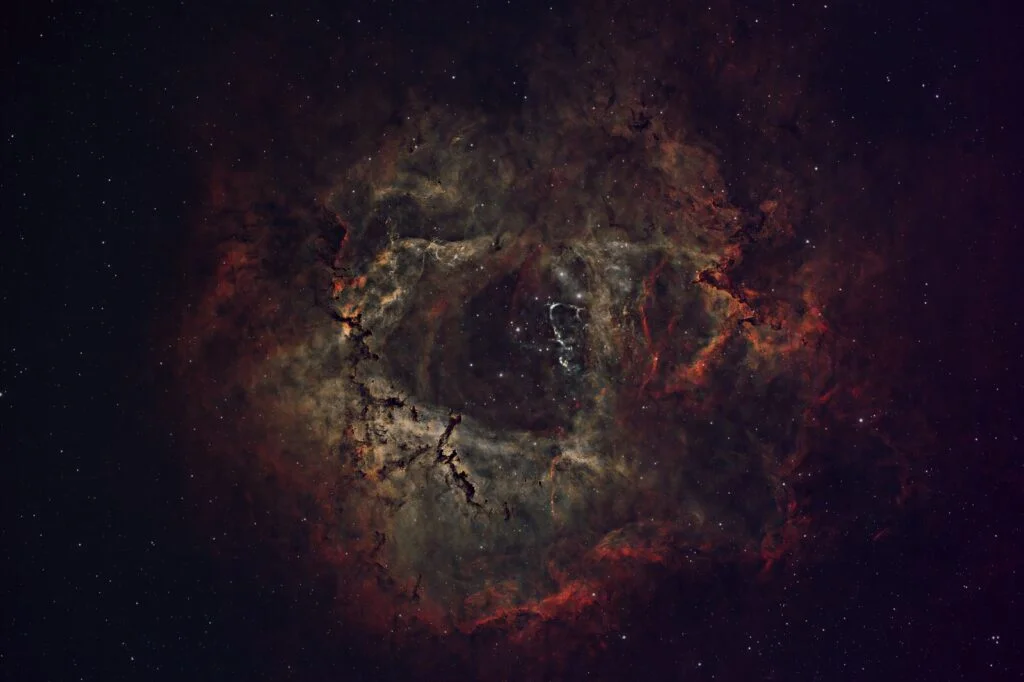
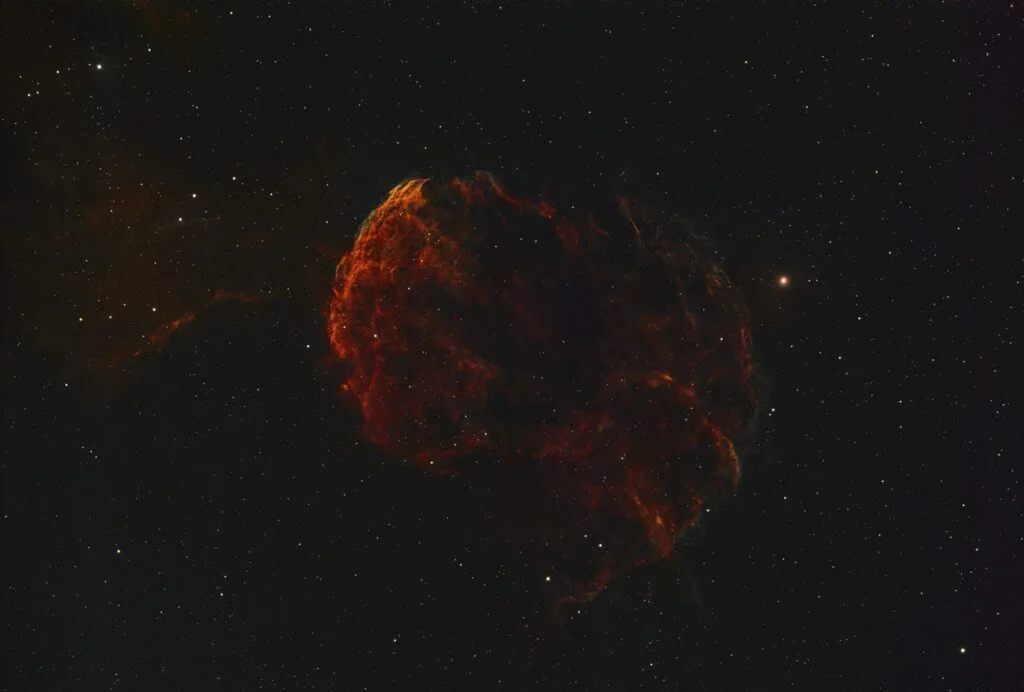
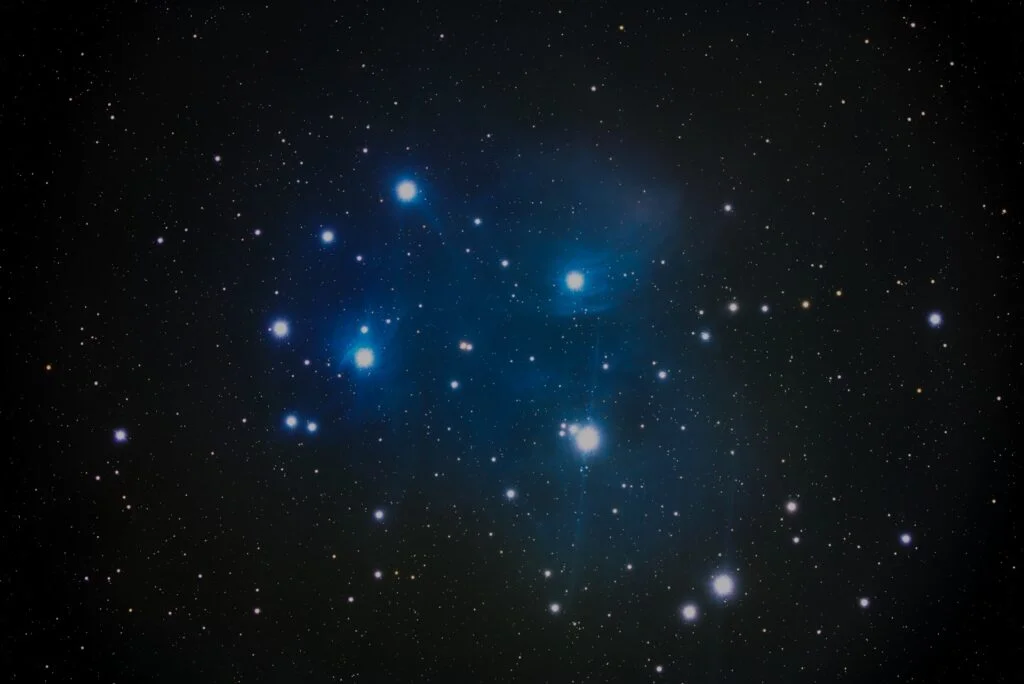
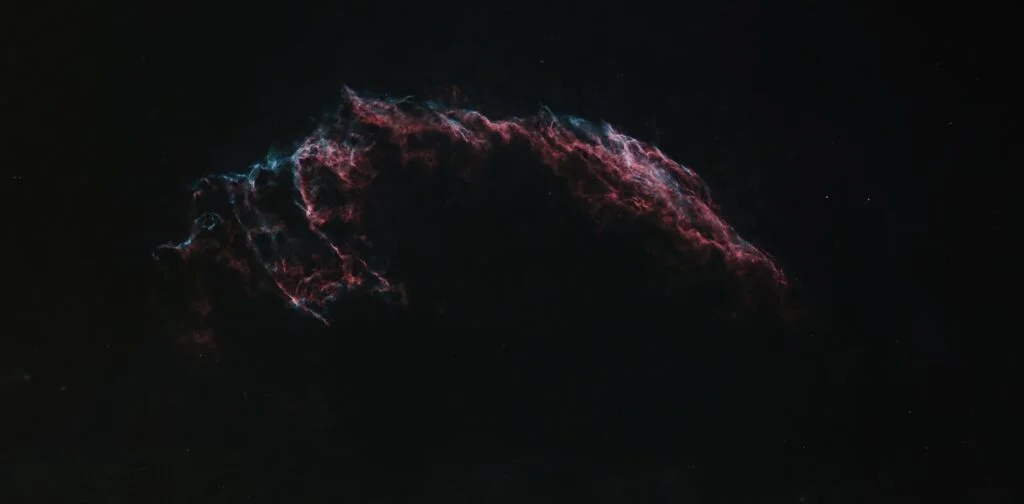
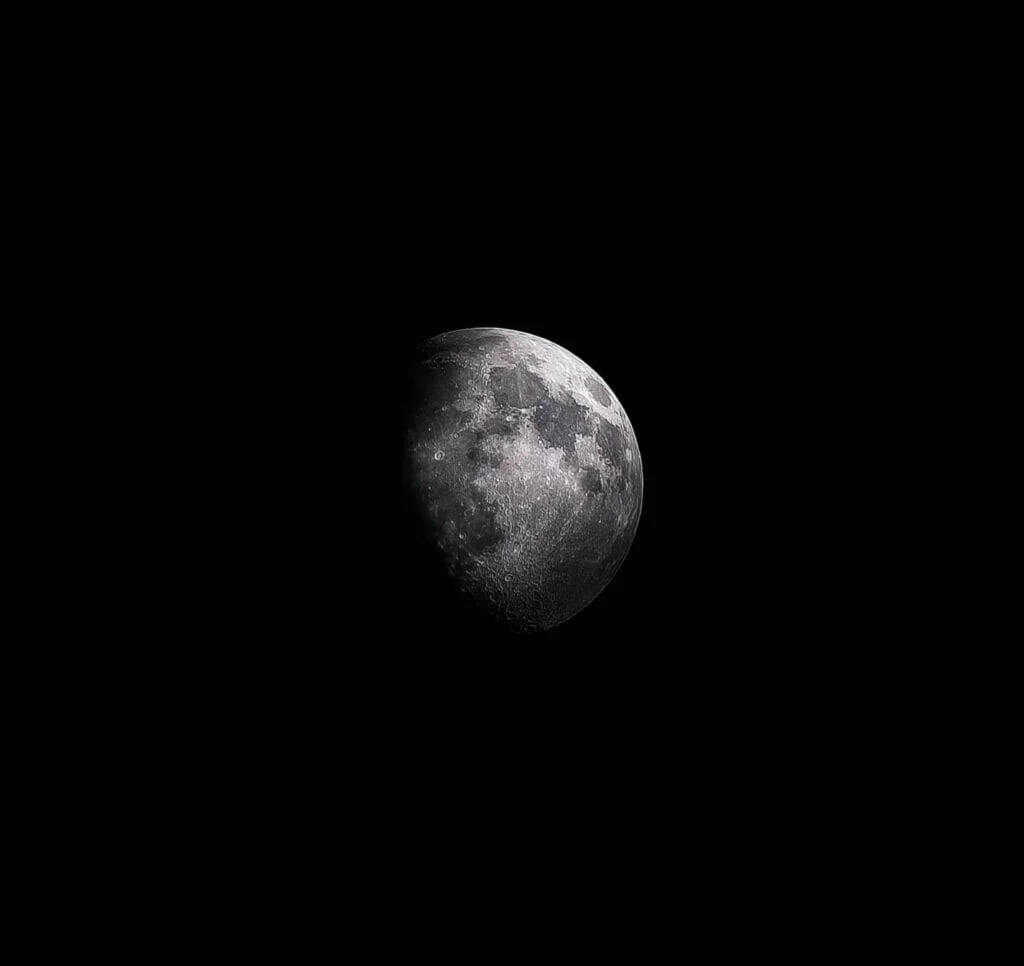
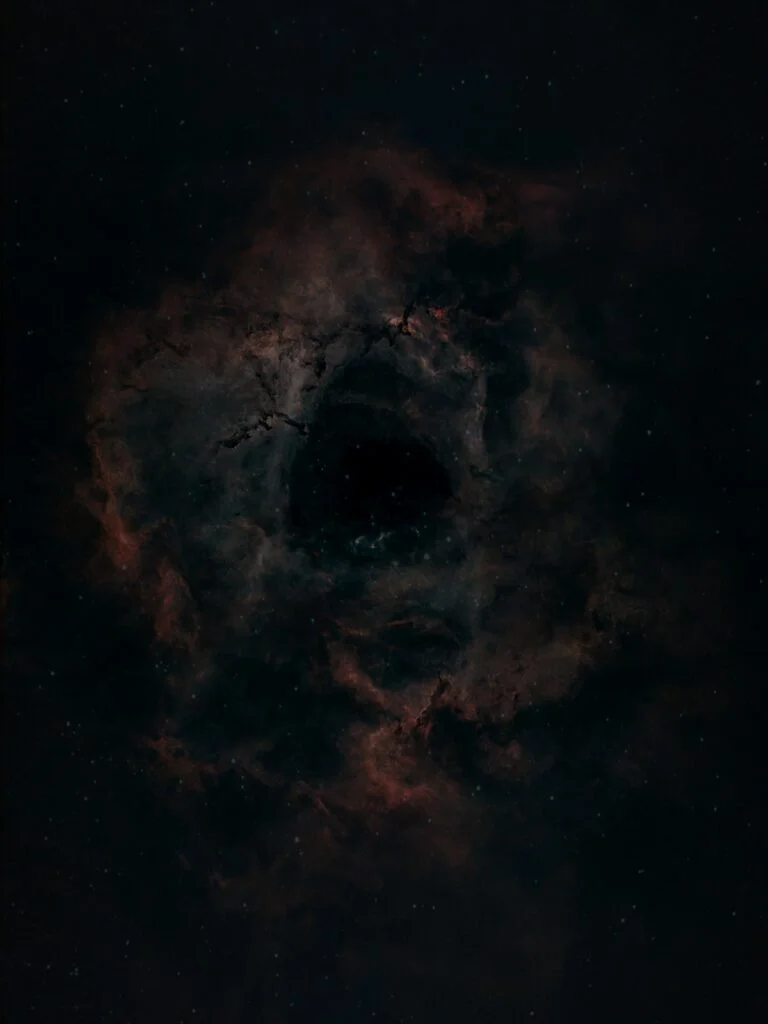
Small selection of work.